
When Pregnancy Loss Becomes PTSD: Recognizing Trauma After Miscarriage

Can the trauma of pregnancy loss lead to PTSD? For many women, the emotional impact of miscarriage can be profound and long-lasting. Research indicates that women who experience pregnancy loss are at a higher risk of developing PTSD. This condition is often associated with more visible traumas.
When Pregnancy Loss Becomes PTSD
At Well Roots Counseling in Raleigh, NC, we understand the complex emotional journey that follows a miscarriage. Our team is dedicated to providing supportive care to help individuals navigate this challenging experience. We offer a free 20-minute consultation to take the first step towards healing.
Key Takeaways About Pregnancy Loss and PTSD
Pregnancy loss can lead to PTSD in some women.
The risk of developing PTSD after miscarriage is supported by research.
Recognizing the trauma associated with pregnancy loss is crucial.
Supportive care is available for those navigating this experience.
Well Roots Counseling offers a free consultation for initial support.
Well Roots Counseling is a therapy practice that provides online therapy and in-person therapy for maternal mental health in Raleigh, NC. We specifically specialize in therapy for women, anxiety symptoms, therapy for high achieving women, postpartum depression, postpartum anxiety, and infertility.
The Hidden Trauma of Pregnancy Loss
Pregnancy loss is often seen as a mere loss, but it's a traumatic event that can trigger deep emotional and psychological challenges. The silence surrounding this experience leaves many women to grieve alone. This silence can intensify feelings of isolation, making it even harder for them to cope with their loss.
Studies show that pregnancy loss can cause significant psychological distress, including PTSD, anxiety, and depression. This distress not only affects the individual but also their relationships and overall well-being. It's crucial to offer supportive care to women experiencing pregnancy loss, acknowledging the trauma and providing comprehensive mental health support.
Coping with pregnancy loss requires a comprehensive approach that addresses both emotional and psychological impacts. We must create a supportive environment where women can openly discuss their experiences without fear of judgment. This support should come from family and friends, as well as healthcare providers, who are vital in the healing process.
| Aspect of Pregnancy Loss | Emotional Impact | Supportive Measures |
|---|---|---|
| Immediate Grief | Shock, denial, sadness | Emotional support from family and friends |
| Long-term Effects | Anxiety, depression, PTSD | Professional mental health support, counseling |
| Relationship Dynamics | Strain on relationships, feelings of isolation | Couples therapy, support groups |
By recognizing the hidden trauma of pregnancy loss and offering the necessary support, we can aid women in navigating their grief and healing. It's essential to understand that mental health after pregnancy loss is as vital as physical health. Addressing both is crucial for recovery.
Understanding PTSD in the Context of Miscarriage
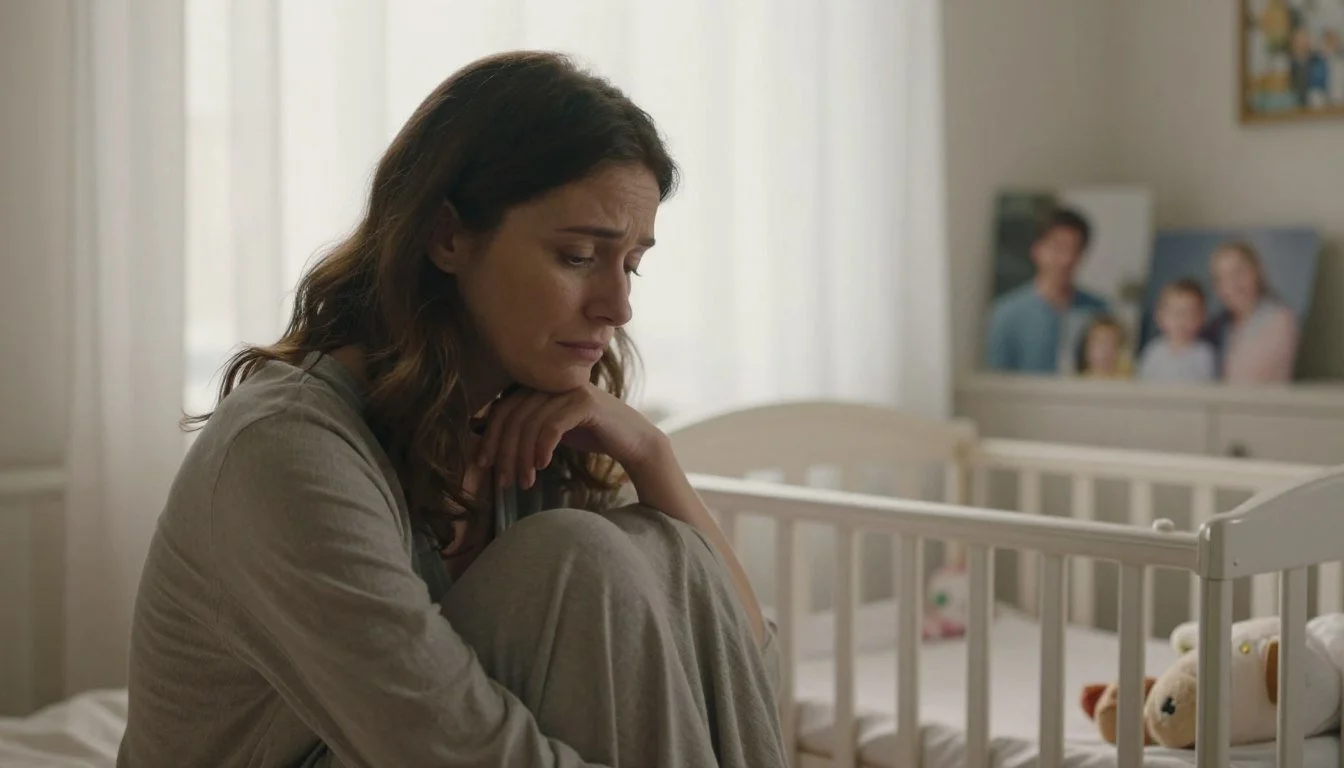
PTSD, or post-traumatic stress disorder, can occur after a traumatic event, like pregnancy loss. Miscarriage is deeply traumatic, affecting women in many ways.
What Is Post-Traumatic Stress Disorder?
PTSD is a mental health condition triggered by a terrifying event. This can be experiencing it or witnessing it. Symptoms include flashbacks, nightmares, severe anxiety, and uncontrollable thoughts about the event. For women who have experienced miscarriage, PTSD can manifest as intense distress related to the loss.
Why Pregnancy Loss Can Trigger PTSD
Pregnancy loss can be traumatic, triggering PTSD due to emotional attachment to the pregnancy and the sudden loss. Factors like the circumstances of the loss, previous trauma, and lack of support can contribute to PTSD development.
The Prevalence of PTSD After Pregnancy Loss
Studies indicate a significant percentage of women develop PTSD after pregnancy loss. The prevalence rates vary, but it's clear PTSD is a major concern for many women who have miscarried.
| Study | Prevalence of PTSD After Pregnancy Loss |
|---|---|
| First Study | 15% |
| Second Study | 20% |
| Third Study | 25% |
Understanding these statistics highlights the need to support women who have experienced pregnancy loss.
When Pregnancy Loss Becomes PTSD: Key Warning Signs
Identifying warning signs of PTSD after pregnancy loss is crucial. Pregnancy loss can be traumatic, impacting mental health significantly. We aim to guide you through indicators suggesting PTSD after such an event.
Intrusive Thoughts and Flashbacks
Intrusive thoughts and flashbacks are key PTSD symptoms, often linked to traumatic events like pregnancy loss. These can be distressing, affecting daily life. For instance, you might suddenly recall the loss news or have vivid dreams about it.
Managing these thoughts is tough, but strategies exist. Seeking support from professionals or groups can offer a safe space to process these experiences.
Avoidance Behaviors and Emotional Numbing
Avoidance behaviors are common in PTSD after pregnancy loss. You might steer clear of places or activities that remind you of the loss. Emotional numbing also occurs, making it hard to connect with others or feel emotions related to the loss.
Seeing these behaviors as trauma responses is a healing step. Explore coping strategies like therapy, support groups, or other forms of care that suit you.
Hyperarousal and Heightened Anxiety
Hyperarousal and heightened anxiety are also warning signs of PTSD after pregnancy loss. You might feel constantly on edge, struggle with sleep, or experience intense anxiety at loss reminders.
Addressing these symptoms requires a holistic mental health approach. Work with trauma specialists and engage in self-care to reduce stress and promote relaxation.
Recognizing these signs is the first step towards healing and recovery. Understanding PTSD symptoms after pregnancy loss and seeking support can help navigate complex emotions and challenges post-trauma.
Recognizing the Difference Between Grief and PTSD

Distinguishing between normal grief and PTSD after pregnancy loss is crucial for proper support. The emotional aftermath of pregnancy loss can be overwhelming. It often makes it hard to tell grief from trauma.
Normal Grief After Pregnancy Loss
Grief is a natural response to pregnancy loss, marked by sadness, loss, and longing. It varies greatly among individuals, influenced by personal circumstances and support systems. Normal grief allows a range of emotions and usually doesn't hinder daily functioning significantly.
When Grief Crosses Into Trauma Territory
For some women, grief from pregnancy loss can turn into PTSD. This happens when the loss triggers intense fear, helplessness, or horror. Symptoms then persist and interfere with daily life. PTSD after pregnancy loss can show as intrusive memories, avoiding reminders, and increased anxiety.
Why Both Can Coexist
It's important to note that grief and PTSD can both exist at the same time. While grief is a natural response to loss, PTSD is a more complex trauma response. Understanding this helps in providing the right support and interventions.
| Characteristics | Normal Grief | PTSD |
|---|---|---|
| Emotional Response | Sadness, loss, longing | Intrusive memories, avoidance, heightened anxiety |
| Impact on Daily Life | Typically does not significantly impair daily functioning | Significantly interferes with daily life |
| Duration | Varies, but generally decreases over time | Persists and can be triggered by various stimuli |
Risk Factors That Increase PTSD Vulnerability
Certain factors can significantly increase the likelihood of developing PTSD after experiencing pregnancy loss. Understanding these risk factors is crucial for providing effective support and interventions.
Previous Trauma History
A history of previous trauma can significantly impact an individual's vulnerability to PTSD after pregnancy loss. Studies have shown that women who have experienced trauma in the past are more likely to develop PTSD symptoms after a miscarriage.
Circumstances Surrounding the Loss
The circumstances surrounding the pregnancy loss can also play a critical role in determining the risk of PTSD. For instance, a loss that occurs later in pregnancy or under traumatic circumstances can increase the risk.
Lack of Support Systems
A lack of adequate support systems is another significant risk factor. Women who feel isolated or unsupported during and after their pregnancy loss are more likely to experience PTSD symptoms.
To better understand how these risk factors interplay, let's examine the data in more detail:
| Risk Factor | Description | Impact on PTSD Risk |
|---|---|---|
| Previous Trauma History | History of physical or emotional trauma | Increases vulnerability to PTSD |
| Circumstances Surrounding the Loss | Traumatic or late pregnancy loss | Heightens PTSD risk |
| Lack of Support Systems | Insufficient emotional or social support | Elevates risk of PTSD symptoms |
By identifying these risk factors, healthcare providers can offer targeted support to women who are at higher risk of developing PTSD after pregnancy loss.
The Physical and Emotional Impact of Pregnancy Loss Trauma

Pregnancy loss trauma profoundly affects a woman's well-being, impacting both physical and emotional health. The loss of a pregnancy can be traumatic, triggering a complex mix of physical and emotional responses.
Physical Symptoms of PTSD After Miscarriage
PTSD after pregnancy loss can manifest physically in various ways. Common symptoms include:
Fatigue and changes in sleep patterns
Physical pain or discomfort
Hypervigilance or exaggerated startle response
Gastrointestinal issues or other somatic complaints
These physical symptoms can be distressing, adding to the emotional pain of pregnancy loss.
Emotional and Psychological Effects
The emotional and psychological impact of pregnancy loss trauma is significant. Women may experience:
Intrusive thoughts or flashbacks related to the loss
Avoidance behaviors, avoiding people, places, or things that remind them of the pregnancy
Emotional numbing or detachment from others
Anxiety or depression
These effects can vary in intensity and duration, impacting daily life and overall well-being.
Impact on Relationships and Intimacy
Pregnancy loss trauma can also affect relationships and intimacy. The emotional pain and physical symptoms associated with PTSD can lead to:
| Impact Area | Effects on Relationships | Effects on Intimacy |
|---|---|---|
| Communication | Strained conversations, misunderstandings | Difficulty expressing emotional needs |
| Emotional Connection | Feeling disconnected from partner or others | Reduced emotional intimacy |
| Physical Intimacy | Avoidance of physical contact or intimacy | Difficulty reconnecting physically |
Understanding these potential impacts can help couples and individuals seek appropriate support and work towards healing together.
How PTSD Affects Future Pregnancy Decisions
Pregnancy loss leading to PTSD can complicate future pregnancy decisions. The trauma from such an event can have lasting effects. This makes the idea of trying again daunting for many women.
Fear of Trying Again
The fear of another loss can be overwhelming. It leads to hesitation or avoidance of attempting another pregnancy. This fear encompasses not just the possibility of another loss but also reliving the trauma of the previous experience.
Anxiety During Subsequent Pregnancies
For those who decide to try again, anxiety during subsequent pregnancies is intense. Every symptom and milestone can trigger memories or fears from the previous loss. This makes the pregnancy journey challenging.
The Decision Not to Try Again
In some cases, the trauma of pregnancy loss and resulting PTSD can lead to a decision not to try again. This decision is deeply personal. It can be influenced by various factors, including the severity of PTSD symptoms and the availability of support systems.
Understanding the impact of PTSD on future pregnancy decisions is crucial. It requires providing the necessary support and care. The following table summarizes key factors and potential outcomes:
| Factor | Impact on Future Pregnancy Decisions | Potential Outcome |
|---|---|---|
| Fear of Another Loss | Leads to hesitation or avoidance | Delayed or foregone pregnancy attempts |
| Anxiety During Subsequent Pregnancies | Increases stress and vigilance | More medical check-ups, increased stress |
| Severity of PTSD Symptoms | Influences the decision-making process | Decision not to try again or seek therapy |

We recognize that every individual's experience with PTSD after pregnancy loss is unique. So are their decisions regarding future pregnancies. By understanding these dynamics, we can better support those navigating these complex choices.
Professional Treatment Options for Pregnancy Loss PTSD
Dealing with PTSD after pregnancy loss calls for professional help tailored to your needs. We know that overcoming the trauma of pregnancy loss demands a caring and all-encompassing strategy.
Several therapies have proven effective in treating PTSD after pregnancy loss. These include trauma-focused therapies, crafted to tackle the traumatic aspects of pregnancy loss.
Trauma-Focused Therapy Approaches
Trauma-focused therapy centers on the traumatic event. It aids in processing the experiences and emotions tied to the trauma. This therapy is highly beneficial for those grappling with PTSD after pregnancy loss.
EMDR and Cognitive Processing Therapy
Eye Movement Desensitization and Reprocessing (EMDR) therapy and Cognitive Processing Therapy (CPT) are backed by evidence for PTSD treatment. EMDR uses guided eye movements to process traumatic memories. CPT, on the other hand, focuses on altering negative thought patterns stemming from trauma.
| Therapy Type | Description | Benefits |
|---|---|---|
| EMDR | Eye Movement Desensitization and Reprocessing therapy | Reduces distress associated with traumatic memories |
| CPT | Cognitive Processing Therapy | Helps change negative thought patterns related to trauma |
Perinatal Mental Health Specialists
Perinatal mental health specialists are experts in pregnancy and postpartum mental health issues. They offer personalized support and therapy for those with PTSD after pregnancy loss.
Support Groups and Peer Counseling
Support groups and peer counseling offer a sense of community and understanding. Sharing experiences with others who've faced similar traumas can be profoundly healing. These groups provide a safe environment to express feelings and receive support.
Healing from PTSD after pregnancy loss is a journey that requires patience, support, and the right treatment. By exploring these professional treatment options, individuals can find the help they need to move forward.
Coping Strategies and Self-Care for Recovery
Healing from pregnancy loss PTSD requires effective coping mechanisms and self-care practices. This journey is personal and ongoing, demanding patience, understanding, and support. It's a path that each person must navigate at their own pace.
Grounding Techniques for Flashbacks
Flashbacks can be distressing for those dealing with PTSD after pregnancy loss. Grounding techniques help manage these episodes by focusing on the present. Effective methods include:
Deep breathing exercises
Progressive muscle relaxation
Mindfulness meditation
Using the five senses to describe the immediate environment
These techniques help individuals anchor in the present, reducing flashback intensity.
Building a Support Network
A strong support network is essential for recovery from pregnancy loss PTSD. This network can include family, friends, support groups, and mental health professionals. It's important to reach out to:
Join a support group for individuals who have experienced pregnancy loss
Connect with others through online forums and communities
Seek professional help from a therapist or counselor
Having a support network provides a safe space to share feelings, receive guidance, and feel less isolated in the healing journey.
Honoring Your Loss While Moving Forward
Honoring the loss is a key part of the healing process. This can be achieved by:
| Method | Description |
|---|---|
| Creating a Memory Book | A personal and tangible way to acknowledge the loss and remember the pregnancy |
| Participating in a Memorial Service | A communal way to honor the loss and find support among others who have experienced similar trauma |
| Engaging in a Personal Ritual | A meaningful way to process grief and mark the significance of the loss |
By honoring the loss, individuals can begin to heal and move forward. This acknowledges the impact of the pregnancy loss on their lives.
Self-Compassion Practices
Self-compassion is crucial for recovery. It involves treating oneself with kindness, understanding, and patience. Self-compassion practices include:
Writing oneself a letter of kindness and understanding
Engaging in self-care activities that bring comfort and relaxation
Practicing mindfulness and meditation to cultivate a sense of inner peace
Incorporating self-compassion into daily life fosters a supportive and nurturing relationship with oneself. This is essential for navigating the healing journey.

Elizabeth Schane, LCMHC, PMH-C, TN-C
Founder of Well Roots Counseling and Perinatal Specialist
Finding Specialized Support at Well Roots Counseling in Raleigh, NC
At Well Roots Counseling in Raleigh, NC, we grasp the deep impact of pregnancy loss on mental health. Our team is committed to offering a supportive and non-judgmental environment. Here, individuals can process their emotions and navigate the healing journey.
Maternal Mental Health Expertise
Our therapists are experts in maternal mental health, addressing the unique challenges of the perinatal period. We create a safe, compassionate space to explore feelings, concerns, and experiences related to pregnancy loss.
Comprehensive Care for Pregnancy Loss Trauma
We provide comprehensive care tailored to the specific needs of those dealing with pregnancy loss trauma. Our approach includes various therapeutic techniques to support emotional healing and recovery.
Therapy for Partners and Dads
Pregnancy loss impacts not just mothers, but also partners and fathers. Our therapists offer support and counseling for dads and partners, acknowledging their unique experiences and challenges during this difficult time.
Take the First Step: Schedule Your Free 20-Minute Consultation
Starting the healing journey can be daunting, but we're here to support you. We invite you to schedule a free 20-minute consultation to explore how our services can meet your needs.
| Service | Description | Benefit |
|---|---|---|
| Maternal Mental Health Therapy | Specialized therapy for maternal mental health issues | Emotional support during the perinatal period |
| Pregnancy Loss Trauma Care | Comprehensive care for individuals dealing with pregnancy loss | Tailored therapeutic approach for healing |
| Therapy for Partners and Dads | Support and counseling for partners and fathers | Acknowledgment of their unique experiences |
Conclusion
Understanding the impact of pregnancy loss on mental health is crucial for recovery. When pregnancy loss becomes PTSD, it can be a debilitating condition that affects daily life. Recognizing the signs and seeking support is the first step towards healing.
We have explored the complexities of PTSD after miscarriage, including its warning signs, risk factors, and the physical and emotional impact. By acknowledging the trauma associated with pregnancy loss, individuals can begin their journey towards pregnancy loss recovery.
PTSD treatment options, such as trauma-focused therapy and support groups, are available to help individuals cope with their experiences. At Well Roots Counseling in Raleigh, NC, specialized support is offered to those affected by pregnancy loss trauma.
By taking the first step towards seeking help, individuals can work through their trauma and move towards a path of healing and recovery. We are here to support you through this journey, providing a nurturing and non-judgmental space to explore your feelings and concerns.
Frequently Asked Questions About Pregnancy Loss and PTSD
What is PTSD, and how is it related to pregnancy loss?
Post-Traumatic Stress Disorder (PTSD) is a mental health condition triggered by traumatic events. Pregnancy loss can be traumatic, leading to PTSD in some cases. We're here to support you through this complex condition.
How common is PTSD after pregnancy loss?
Research indicates PTSD is a concern for women who've experienced pregnancy loss. The exact prevalence of PTSD after miscarriage varies. It's crucial to acknowledge the risk and seek support if needed.
What are the warning signs that pregnancy loss has led to PTSD?
Warning signs include intrusive thoughts, avoidance behaviors, and hyperarousal. If you're experiencing flashbacks, nightmares, or intense anxiety related to your loss, seek professional help.
How can I distinguish between normal grief and PTSD after pregnancy loss?
Grief is a natural response, but PTSD involves intense fear, anxiety, or avoidance. Understanding this difference is key for the right support. We're here to help you navigate these complex emotions.
What are the risk factors that increase vulnerability to PTSD after pregnancy loss?
Previous trauma, the loss circumstances, and lack of support systems raise PTSD risk. Identifying these factors helps us tailor our support.
How can PTSD after pregnancy loss affect future pregnancy decisions?
PTSD can lead to fear, anxiety, or the decision not to try again. We help you address these feelings and develop coping strategies for your reproductive choices.
What professional treatment options are available for PTSD after pregnancy loss?
Effective treatments include trauma-focused therapy, EMDR, cognitive processing therapy, and perinatal mental health specialists. We also offer support groups and peer counseling for comprehensive care.
What coping strategies and self-care practices can help with recovery?
Grounding techniques, building a support network, honoring your loss, and self-compassion are helpful. We guide you in creating a personalized self-care plan.
How can I find specialized support for pregnancy loss trauma?
At Well Roots Counseling in Raleigh, NC, we specialize in maternal mental health. We provide comprehensive care for pregnancy loss trauma. Our team is dedicated to supporting your mental health journey. Schedule a free 20-minute consultation to start your healing.
Can partners and dads receive therapy for pregnancy loss trauma?
Yes, we offer therapy for partners and dads to support their mental health. We recognize pregnancy loss affects the entire family. We're here to care for everyone.