
You're 42 years old. Suddenly you're waking up drenched in sweat at 3 AM, forgetting words mid-sentence, and snapping at your partner for breathing too loudly. Your periods are all over the place. You schedule a doctor's appointment, but they run standard tests and say "everything looks normal." You're left wondering: Is this perimenopause? Am I going crazy? Or is something seriously wrong?
If this sounds familiar, you're not alone. As therapists specializing in women's mental health, we see countless women experiencing confusing symptoms that no one warned them about—symptoms that often get dismissed or misdiagnosed.
The truth? Perimenopause can cause over 35 different symptoms, and many women (and their doctors) don't connect the dots. You might be dealing with multiple unexplained issues and not realize they're all related to the same hormonal transition.
This comprehensive guide covers every known perimenopause symptom, organized by category, so you can understand what's happening in your body and get the help you deserve. Because what you're experiencing is real, valid, and most importantly—treatable.
Well Roots Counseling is an online therapy practice providing support for women navigating perimenopause and its emotional challenges. We specialize in therapy for women, anxiety, mood changes, and the mental health impact of hormonal transitions.
What Is Perimenopause? Understanding the Transition
Definition and Timeline
Perimenopause literally means "around menopause," it's the transitional period before menopause when your body gradually shifts from reproductive to non-reproductive years.
Here's the distinction:
Perimenopause: The transition period (typically 4-8 years) when hormones fluctuate and symptoms occur
Menopause: A single point in time, 12 consecutive months without a period
Postmenopause: Everything after that 12-month mark
Most women think of menopause as the challenging part, but actually, perimenopause is when the majority of difficult symptoms occur. The wild hormone fluctuations during this transition create more symptoms than the lower, stable hormone levels after menopause.
When perimenopause typically starts:
Average age: Mid-40s (around 45-47)
Can start as early as mid-30s
Can start as late as early 50s
Influenced by genetics, lifestyle, and health factors
How long it lasts:
Average duration: 4-8 years
Some women: 2-3 years
Some women: 10+ years
Two distinct stages: early perimenopause and late perimenopause
What's Happening in Your Body
Understanding the biological changes helps make sense of why you're experiencing so many different symptoms.
Hormonal Changes:
Your ovaries are winding down their reproductive function, causing dramatic shifts in hormone levels:
Estrogen fluctuates wildly (swinging high and low unpredictably)
Progesterone decreases (usually drops first and more dramatically)
Testosterone gradually declines
FSH (follicle-stimulating hormone) increases as your body tries to stimulate remaining follicles
These aren't smooth, gradual changes, they're erratic. Your estrogen might spike one week and crash the next, which is why symptoms can be so unpredictable.
Ovarian Function Changes:
Your follicles (eggs) are depleting, you're born with all you'll ever have
Ovulation becomes inconsistent (some months you ovulate, some you don't)
Egg quality declines
Eventually, ovulation stops altogether
Why Symptoms Are So Varied:
Estrogen and progesterone aren't just reproductive hormones, they have receptors throughout your entire body:
Brain: Affects mood, memory, temperature regulation, sleep
Bones: Maintains bone density
Heart and blood vessels: Affects cardiovascular health
Skin: Maintains collagen and elasticity
Bladder and vagina: Keeps tissues healthy and lubricated
Muscles and joints: Reduces inflammation
When these hormones fluctuate, every system that relies on them can be affected. That's why perimenopause symptoms are so diverse and can seem completely unrelated.
The Complete List of Perimenopause Symptoms: 35+ Signs
Perimenopause can affect virtually every system in your body. While not every woman experiences every symptom, knowing the full range helps you connect the dots between what seem like random health issues.
Here are all documented perimenopause symptoms, organized by category.
Category 1: Menstrual Changes (Most Common First Sign)
For most women, changes in their menstrual cycle are the first clue that perimenopause has begun.
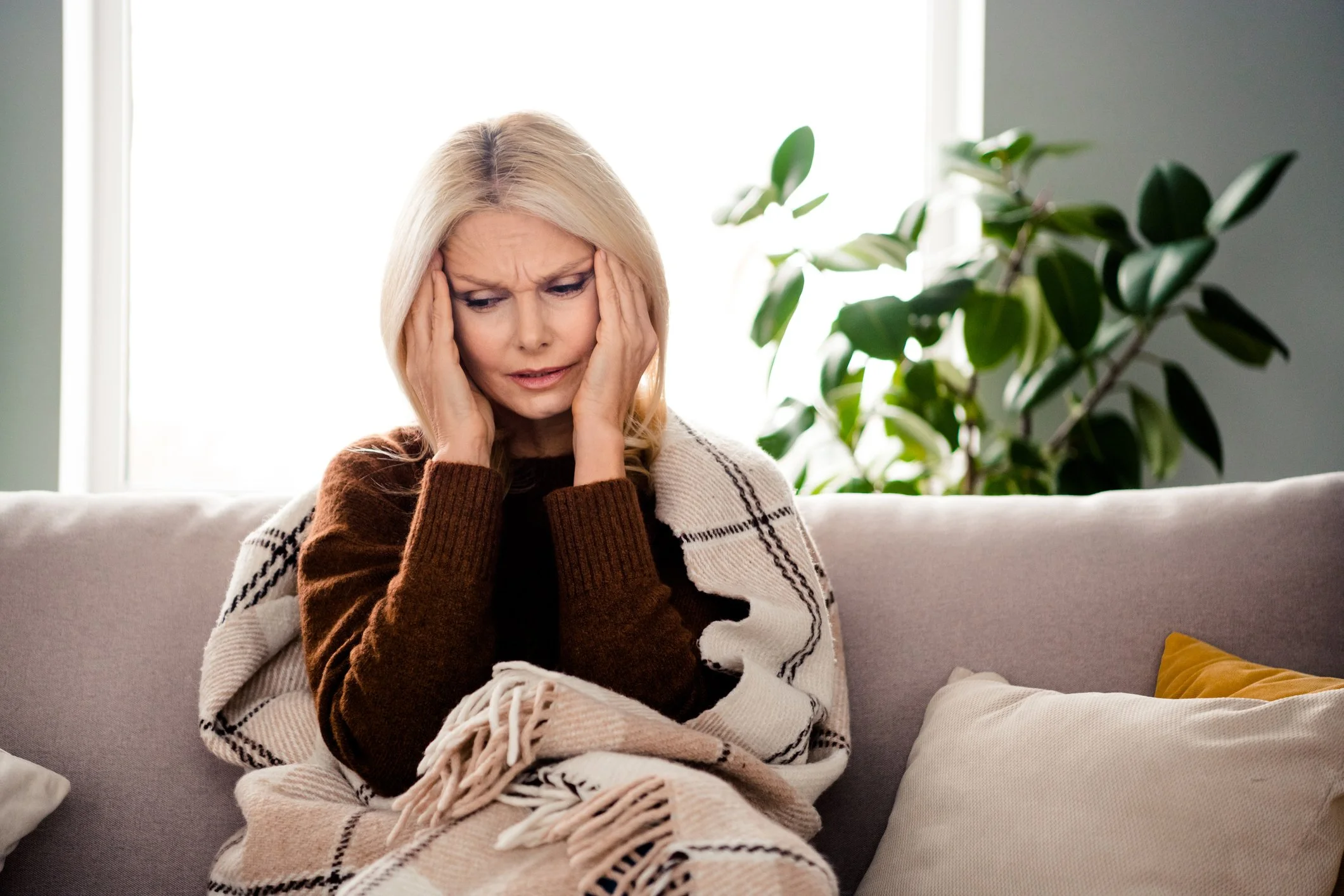
1. Irregular Periods
What it looks like: Your once predictable cycle becomes unpredictable. Periods might come every 21 days one month, then 45 days the next. You never know when to expect your period.
Why it happens: Inconsistent ovulation and fluctuating hormones disrupt your normal cycle pattern.
What's normal: Cycles varying anywhere from 21-60 days during perimenopause.
When to see a doctor: Bleeding lasting more than 7 days, very heavy bleeding that soaks through protection in 1-2 hours, bleeding after sex, or any bleeding that concerns you.
2. Heavy Periods (Menorrhagia)
What it looks like: Soaking through pads or tampons in 1-2 hours, passing large blood clots (quarter-size or larger), needing to change protection during the night.
Why it happens: Estrogen dominance (high estrogen with low progesterone) causes the uterine lining to build up excessively.
What's normal: Heavier flow than you're used to, especially in early perimenopause.
When to see a doctor: If you're regularly bleeding through protection, feel weak or dizzy, or show signs of anemia (extreme fatigue, pale skin, shortness of breath).
3. Spotting Between Periods
What it looks like: Light bleeding or brown discharge between regular periods, often mid-cycle.
Why it happens: Hormone fluctuations and anovulatory cycles (cycles where you don't ovulate).
What's normal: Occasional spotting, especially around ovulation time.
When to see a doctor: Persistent spotting every cycle, spotting after sex, or any unusual discharge.
4. Longer or Shorter Cycles
What it looks like: Periods coming much closer together (every 21-24 days) or much further apart (every 35-60 days).
Why it happens: Inconsistent ovulation timing as your ovaries become less predictable.
What's normal: Significant cycle variation month to month.
When to see a doctor: If the changes concern you or if you're trying to conceive.
5. Painful Periods
What it looks like: Worse cramping than you experienced before, lower back pain, pelvic pain that interferes with daily activities.
Why it happens: Prostaglandin changes and possible fibroid growth (fibroids can grow during perimenopause due to estrogen fluctuations).
What's normal: Some increase in cramping intensity.
When to see a doctor: Severe pain that prevents you from functioning, pain between periods, or sudden onset of severe cramps if you never had them before.
Category 2: Vasomotor Symptoms (Very Common)

These temperature related symptoms affect about 75% of women during perimenopause.
6. Hot Flashes
What it looks like: Sudden, intense heat spreading through your face, neck, and chest. Your skin may flush red. It can last from 30 seconds to 10 minutes.
Why it happens: The hypothalamus (your body's thermostat) becomes more sensitive to slight temperature changes due to fluctuating estrogen levels.
What's normal: Anywhere from 1-2 hot flashes per day to 20+ for some women. Intensity varies from mildly warm to intensely uncomfortable.
When to see a doctor: If hot flashes severely interfere with your quality of life, work, or sleep.
7. Night Sweats
What it looks like: Waking up drenched in sweat, sometimes needing to change sheets and pajamas. Essentially hot flashes that happen during sleep.
Why it happens: Same mechanism as hot flashes, but they occur at night.
What's normal: Occasional to nightly episodes, varying in intensity.
When to see a doctor: If causing severe sleep disruption (waking 4+ times nightly), or if accompanied by other symptoms like fever or unexplained weight loss.
8. Chills
What it looks like: Suddenly feeling cold and shivering, often immediately after a hot flash as your body overcorrects.
Why it happens: Your body trying to regulate temperature after the hot flash raises your core temperature.
What's normal: Chills following hot flashes.
When to see a doctor: If chills occur without hot flashes or are accompanied by fever.
9. Cold Flashes
What it looks like: Sudden feeling of being intensely cold despite a warm environment.
Why it happens: Temperature regulation disruption from hormone fluctuations.
What's normal: Occasional cold flashes, less common than hot flashes.
When to see a doctor: If frequent or concerning, mention to your doctor.
Category 3: Sleep Disturbances (Extremely Common)

Sleep problems affect up to 60% of perimenopausal women and can significantly impact quality of life.
10. Difficulty Falling Asleep
What it looks like: Lying awake for 30+ minutes (or hours) trying to fall asleep, mind racing despite being exhausted.
Why it happens: Declining progesterone (which has sleep-promoting properties), anxiety, and racing thoughts from hormonal effects on neurotransmitters.
What's normal: Taking longer than usual to fall asleep, especially during certain times of your cycle.
When to see a doctor: If chronic insomnia lasts most nights for 3+ months and significantly affects daytime functioning.
11. Waking During the Night
What it looks like: Waking at 2-4 AM and staying awake for 1-3 hours, or waking multiple times throughout the night.
Why it happens: Night sweats, decreased progesterone (which helps maintain sleep), anxiety, and hormonal fluctuations affecting sleep cycles.
What's normal: Waking 1-3 times per night during perimenopause.
When to see a doctor: If sleep disruption is causing significant daytime impairment (can't function at work, extreme fatigue, mood issues).
12. Early Morning Waking
What it looks like: Waking at 4-5 AM unable to fall back asleep, even though you went to bed exhausted.
Why it happens: Cortisol rhythm changes and hormonal shifts affecting circadian rhythm.
What's normal: Occasional early waking.
When to see a doctor: If persistent and accompanied by depression symptoms.
13. Restless Sleep
What it looks like: Tossing and turning all night, never feeling deeply asleep, waking unrefreshed despite 7-8 hours in bed.
Why it happens: Hormone changes affecting sleep quality, frequent night sweats disrupting deep sleep cycles.
What's normal: Less restorative sleep than you had before perimenopause.
When to see a doctor: If causing significant daytime dysfunction or if sleep quality doesn't improve with sleep hygiene changes.
Category 4: Mood and Emotional Changes (Very Common)

Hormonal fluctuations directly affect neurotransmitters in the brain, leading to emotional symptoms.
14. Mood Swings
What it looks like: Emotional rollercoaster, crying easily one moment, irritable the next, feeling fine an hour later. Emotions feel unpredictable and intense.
Why it happens: Estrogen directly affects serotonin (mood regulator) and other neurotransmitters. When estrogen swings wildly, so do your emotions.
What's normal: Feeling more emotional than usual, mood changes that fluctuate with your cycle.
When to see a doctor: If mood swings are interfering with relationships, work, or daily life, or if you feel out of control.
15. Irritability
What it looks like: Easily annoyed by small things, low patience with family members, snapping at people you love, feeling on edge.
Why it happens: Combination of hormone fluctuations affecting brain chemistry, sleep deprivation, and the accumulated stress of symptoms.
What's normal: Increased irritability, especially at certain times in your cycle or when sleep-deprived.
When to see a doctor: If irritability is damaging important relationships or you can't control angry outbursts.
16. Anxiety
What it looks like: Excessive worry, racing thoughts, feeling on edge, physical symptoms like heart palpitations or stomach upset, panic attacks.
Why it happens: Estrogen affects GABA (your brain's calming neurotransmitter). When estrogen drops, GABA activity decreases, increasing anxiety.
What's normal: Increased anxiety or anxiety appearing for the first time during perimenopause, even with no history of anxiety.
When to see a doctor: If experiencing panic attacks, if anxiety is preventing you from doing daily activities, or if you're having intrusive thoughts.
17. Depression
What it looks like: Persistent sadness, hopelessness, loss of interest in activities you used to enjoy, fatigue, difficulty concentrating, changes in appetite.
Why it happens: Hormone changes affecting neurotransmitter production (serotonin, dopamine), chronic sleep disruption, and the emotional toll of ongoing symptoms.
What's normal: Feeling down or low sometimes.
When to see a doctor: If symptoms last 2+ weeks, if you have thoughts of self-harm, or if depression is interfering with work or relationships.
18. Rage or Intense Anger
What it looks like: Feeling sudden, intense anger that seems disproportionate to the situation. May feel frightening or out of control.
Why it happens: Low progesterone specifically contributes to irritability and anger. Combined with sleep deprivation and feeling dismissed by doctors, rage can surface.
What's normal: Some increase in anger intensity.
When to see a doctor: If rage episodes are frightening to you or affecting your relationships, or if you're concerned about your reactions.
Category 5: Cognitive Changes (Very Common and Often Scary)

Brain fog and memory issues are among the most distressing symptoms for many women.
19. Memory Problems
What it looks like: Forgetting why you walked into a room, can't remember names or words, losing your train of thought mid-sentence, forgetting appointments.
Why it happens: Estrogen affects the hippocampus (brain's memory center) and acetylcholine (a neurotransmitter critical for memory). Sleep disruption also significantly impairs memory consolidation.
What's normal: Short-term memory lapses, "tip of the tongue" moments, minor forgetfulness.
When to see a doctor: If memory problems are progressive, significantly affecting work performance, or accompanied by other neurological symptoms like confusion or disorientation.
20. Difficulty Concentrating
What it looks like: Can't focus on tasks, mind wandering constantly, reading the same paragraph multiple times, trouble following conversations or movies.
Why it happens: Hormonal effects on neurotransmitters that affect attention, combined with sleep deprivation and anxiety.
What's normal: Reduced ability to concentrate, especially on complex tasks.
When to see a doctor: If concentration problems are significantly impacting work or daily functioning.
21. Mental Fog (Brain Fog)
What it looks like: Feeling like your brain is "cloudy" or "fuzzy," difficulty thinking clearly, mental sluggishness, confusion.
Why it happens: Estrogen's role in maintaining neural connections and neurotransmitter activity. When it fluctuates, cognitive sharpness can decrease.
What's normal: Feeling mentally slower or less sharp than usual.
When to see a doctor: If brain fog is persistent, worsening, or preventing you from working or functioning.
22. Word Retrieval Issues
What it looks like: Knowing the word you want to use but unable to access it, using wrong words unintentionally, struggling to find common words.
Why it happens: Estrogen affects language processing areas of the brain.
What's normal: Occasional difficulty finding words, especially when tired or stressed.
When to see a doctor: If progressive, accompanied by other speech difficulties, or significantly worsening.
Category 6: Physical Symptoms (Wide Range)
Perimenopause can cause numerous physical symptoms throughout the body.

23. Fatigue
What it looks like: Profound exhaustion that doesn't improve with rest, needing naps, feeling like you're moving through molasses, difficulty getting out of bed.
Why it happens: Poor sleep quality from night sweats, the metabolic work your body does managing hormonal fluctuations, and hormonal effects on energy production.
What's normal: Increased tiredness, lower energy than you had before.
When to see a doctor: If fatigue is severe and constant, or if accompanied by other symptoms like unexplained weight changes (rule out thyroid issues, anemia, or other conditions).
24. Joint and Muscle Pain
What it looks like: Aching joints (especially hands, knees, shoulders), morning stiffness, muscle soreness without exercise, feeling like you've "aged overnight."
Why it happens: Estrogen has anti-inflammatory properties. When it declines, inflammation increases throughout the body, particularly in joints.
What's normal: Some achiness and stiffness, especially in the morning.
When to see a doctor: If pain is severe, preventing movement, or progressively worsening (rule out arthritis or other conditions).
25. Headaches and Migraines
What it looks like: More frequent tension headaches, new migraines, or existing migraines becoming more severe or frequent.
Why it happens: Estrogen fluctuations are a major migraine trigger. The ups and downs during perimenopause can worsen headaches dramatically.
What's normal: Increased headache frequency, especially around your period.
When to see a doctor: New severe headaches, migraines with aura (visual disturbances), sudden onset "thunderclap" headaches, or headaches accompanied by neurological symptoms.
26. Dizziness
What it looks like: Feeling lightheaded, off-balance, room spinning (vertigo), unsteadiness.
Why it happens: Blood pressure fluctuations from hormonal changes, inner ear effects, or anxiety-related dizziness.
What's normal: Occasional lightheadedness, especially with position changes.
When to see a doctor: Frequent episodes, falls or near-falls, or dizziness accompanied by hearing changes or neurological symptoms.
27. Heart Palpitations
What it looks like: Feeling your heart racing, skipping beats, pounding in your chest, or fluttering sensations.
Why it happens: Estrogen affects heart rhythm and blood vessel function. Anxiety and hot flashes can also trigger palpitations.
What's normal: Occasional palpitations, especially during hot flashes or times of stress.
When to see a doctor: Frequent palpitations, episodes lasting more than a few minutes, palpitations accompanied by chest pain, shortness of breath, or dizziness. Always get heart symptoms checked.
28. Breast Tenderness
What it looks like: Sore, swollen, painful breasts, similar to PMS but often more intense.
Why it happens: Estrogen spikes cause breast tissue swelling and tenderness.
What's normal: Increased breast tenderness, especially mid-cycle or before periods.
When to see a doctor: New lumps, nipple discharge, persistent pain in one spot, or skin changes on the breast.
Category 7: Skin, Hair & Body Changes

Declining estrogen affects your body's largest organ (skin) and your hair.
29. Dry Skin
What it looks like: Skin feeling dry, tight, flaky, itchy. Moisturizers that used to work no longer help.
Why it happens: Estrogen decline reduces collagen production and oil (sebum) production in skin.
What's normal: Increased overall skin dryness, especially on face, hands, and body.
When to see a doctor: If accompanied by severe itching, rashes, or skin changes.
30. Hair Changes
What it looks like: Hair thinning on your head (especially at the crown or temples), hair growing in new places (chin, upper lip), changes in hair texture.
Why it happens: Changing ratio of estrogen to androgens (male hormones). As estrogen decreases, androgens have relatively more effect.
What's normal: Some hair thinning, occasional facial hair growth.
When to see a doctor: Sudden dramatic hair loss, bald patches, or rapid changes (rule out thyroid issues or other causes).
31. Brittle Nails
What it looks like: Nails breaking easily, peeling, developing ridges, splitting.
Why it happens: Reduced estrogen affects collagen production, which impacts nail strength.
What's normal: Weaker, more brittle nails than before.
When to see a doctor: If accompanied by other health changes or concerns.
Category 8: Sexual & Urinary Symptoms

These symptoms can significantly impact quality of life and relationships but are often undertreated.
32. Low Libido (Decreased Sex Drive)
What it looks like: Reduced interest in sex, not thinking about sex, lack of desire even with a willing partner.
Why it happens: Lower testosterone (yes, women need it too!), declining estrogen, fatigue, mood changes, and vaginal discomfort all contribute.
What's normal: Decreased interest in sex compared to your younger years.
When to see a doctor: If it's distressing to you or affecting your relationship, and you want help. This is treatable!
33. Vaginal Dryness
What it looks like: Lack of natural lubrication, vaginal tissues feeling dry and uncomfortable even when not having sex.
Why it happens: Estrogen keeps vaginal tissues thick, elastic, and lubricated. As it declines, vaginal tissues thin and produce less moisture.
What's normal: Some degree of vaginal dryness, especially noticeable during sex.
When to see a doctor: If causing discomfort in daily life or making sex painful. Treatment is available and effective.
34. Painful Intercourse (Dyspareunia)
What it looks like: Discomfort or pain during sex, burning sensation, feeling like there's not enough lubrication no matter what you use.
Why it happens: Vaginal tissue thinning (vaginal atrophy) and reduced lubrication from estrogen decline.
What's normal: Some discomfort, especially if not using lubricant.
When to see a doctor: Don't suffer in silence! This is highly treatable with vaginal estrogen, other medications, and lubricants.
35. Urinary Frequency
What it looks like: Needing to urinate more often, especially at night (getting up 2-3+ times).
Why it happens: Bladder tissue thinning and changes in bladder muscle tone from declining estrogen.
What's normal: Increased frequency, especially at night.
When to see a doctor: If accompanied by burning, blood in urine, or if frequency is severely disrupting sleep or daily life.
36. Urinary Urgency
What it looks like: Sudden, strong urge to urinate that's difficult to postpone, sometimes leading to urge incontinence (leaking).
Why it happens: Hormonal effects on bladder and pelvic floor muscles.
What's normal: Some urgency, especially when bladder is full.
When to see a doctor: If you're leaking urine, can't make it to the bathroom in time, or if urgency is affecting your daily activities.
Category 9: Unusual Symptoms (Often Unrecognized)

These lesser-known symptoms often surprise women because they're rarely discussed.
37. Itchy Ears
What it looks like: Persistent itching inside the ear canal, sometimes with dryness.
Why it happens: Mucous membranes throughout your body (including ear canals) dry out as estrogen declines.
What's normal: Occasional or persistent ear itching without other symptoms.
When to see a doctor: If accompanied by pain, discharge, hearing changes, or if the itching is severe.
Note: We have a complete guide on perimenopause and itchy ears if you want more information on this surprising symptom.
38. Electric Shock Sensations
What it looks like: Brief "zap" or "pop" feeling, often in the head, sometimes preceding a hot flash.
Why it happens: Nervous system response to sudden hormonal fluctuations.
What's normal: Occasional electric shock sensations.
When to see a doctor: If frequent, painful, or accompanied by other neurological symptoms.
39. Burning Mouth or Tongue
What it looks like: Burning, tingling, or scalding sensation on tongue, lips, or throughout the mouth.
Why it happens: Hormonal changes affecting oral mucous membranes and possibly affecting taste receptors.
What's normal: Occasional burning sensation.
When to see a doctor: If persistent, painful, or interfering with eating or drinking.
40. Altered Sense of Smell or Taste
What it looks like: Foods tasting different than they used to, increased or decreased sensitivity to smells, metallic taste in mouth.
Why it happens: Hormones affect sensory perception, including smell and taste receptors.
What's normal: Temporary changes in smell or taste sensitivity.
When to see a doctor: If persistent or accompanied by unexplained weight loss.
41. Tinnitus (Ringing in Ears)
What it looks like: Ringing, buzzing, humming, or whooshing sounds in one or both ears.
Why it happens: Hormonal effects on inner ear function and circulation.
What's normal: Occasional ringing or buzzing.
When to see a doctor: If constant, worsening, affecting only one ear, or accompanied by hearing loss or dizziness.
42. Digestive Changes
What it looks like: Increased bloating, gas, constipation, diarrhea, food sensitivities you didn't have before.
Why it happens: Hormones affect gut motility (how fast food moves through your system) and increase inflammation in the digestive tract.
What's normal: Some digestive sensitivity, occasional bloating or constipation.
When to see a doctor: Severe symptoms, blood in stool, significant changes in bowel habits, or unexplained weight loss.
43. Allergies Worsening or New Allergies
What it looks like: Seasonal allergies becoming worse, developing new sensitivities to foods or environmental triggers.
Why it happens: Hormones play a role in immune system regulation. Changes during perimenopause can affect immune response.
What's normal: Worsening of existing allergies or mild new sensitivities.
When to see a doctor: Severe allergic reactions or anaphylaxis risk.
Category 10: Weight & Metabolism Changes

Nearly universal and among the most frustrating symptoms for many women.
44. Weight Gain (Especially Belly Fat)
What it looks like: Gaining weight despite no changes in diet or exercise, weight concentrating around your midsection even if you've always carried weight elsewhere.
Why it happens:
Metabolism slows (burning 200-300 fewer calories per day)
Insulin resistance increases (harder to process carbohydrates)
Cortisol changes (stress hormone affects fat storage)
Loss of muscle mass (estrogen helps maintain muscle)
Fat redistribution (more visceral belly fat)
What's normal: Gaining 5-15 pounds during perimenopause, shift to more abdominal weight.
When to see a doctor: Sudden rapid weight gain, severe changes, or if you want to discuss treatment options.
45. Difficulty Losing Weight
What it looks like: The same diet and exercise that used to work no longer does. Weight won't budge despite efforts.
Why it happens: Metabolic changes, insulin resistance, and hormonal shifts make weight loss significantly harder.
What's normal: Needing to work much harder for the same results or to adjust approach completely.
When to see a doctor: If concerned or want to discuss medical interventions like HRT that might help with metabolism.
How to Know If Your Symptoms Are Perimenopause
Many women struggle to get diagnosed because they don't realize multiple symptoms are connected, or their doctor dismisses concerns.
Are You in the Right Age Range?
Typical perimenopause age:
Most common: 45-55
Can start as early as 35
More common after 40
Family history matters. IF possible, ask your mother and sisters when they started
Important: If you're experiencing perimenopause symptoms before age 40, this is called primary ovarian insufficiency (POI) and needs medical evaluation.
Self-Assessment Questions

Ask yourself:
□ Are you between ages 35-55? □ Have your periods become irregular? □ Are you experiencing 3 or more symptoms from the lists above? □ Did symptoms start or worsen in the last 1-3 years? □ Do symptoms fluctuate with your menstrual cycle? □ Have you ruled out other causes (thyroid, anemia, vitamin deficiencies)? □ Do you have a family history of early menopause?
If you answered YES to 4 or more questions, perimenopause is very likely.
Why Tests Often Come Back "Normal"
This is one of the most frustrating aspects of getting diagnosed. Here's why:
Hormone levels fluctuate daily during perimenopause. A blood test only shows hormone levels at that exact moment. Your estrogen might be high on Monday and low on Friday. A test on Monday would show "normal" levels even though you're perimenopausal.
FSH tests aren't reliable during perimenopause. Many doctors test FSH (follicle-stimulating hormone), but during perimenopause, FSH can swing from normal to elevated and back again within weeks.
There's no single definitive test. Diagnosis is primarily clinical, based on your age, symptoms, and menstrual pattern changes.
Your symptoms are real even if tests are "normal." Don't let normal test results make you doubt your experience.
Ruling Out Other Causes
Several conditions can mimic perimenopause symptoms. It's worth testing for:
Thyroid disorders:
Very common in women 40+
Can cause fatigue, weight changes, mood issues, irregular periods
Simple blood test (TSH, free T4, free T3)
Anemia:
Common with heavy periods
Causes fatigue, weakness, dizziness
Blood test (CBC, iron, ferritin, B12)
Vitamin D deficiency:
Can cause fatigue, mood issues, joint pain
Blood test
Diabetes or pre-diabetes:
Can cause fatigue, weight gain, frequent urination
Fasting glucose and HbA1c test
Depression or anxiety disorders:
Can exist alongside or independent of perimenopause
Clinical evaluation
Getting these checked helps confirm perimenopause and ensures you're not missing another treatable condition.
What to Do If You're Experiencing Perimenopause Symptoms

You don't have to suffer through years of symptoms. Treatment options exist.
Talk to Your Doctor
Finding the right provider: Many doctors aren't well-trained in menopause medicine. Look for:
A provider who takes your concerns seriously
Someone comfortable prescribing HRT
Ideally, a menopause specialist (NAMS certified provider)
Preparing for your appointment:
List all your symptoms with frequency and severity
Track patterns (do symptoms worsen at certain times of your cycle?)
Note impact on your life (work, relationships, sleep, mental health)
Be specific about how symptoms affect you
What to ask:
"Could my symptoms be related to perimenopause?"
"What are my treatment options?"
"Would hormone replacement therapy help me?"
"What are the risks and benefits of HRT for my specific situation?"
"What else could be causing these symptoms?"
"What tests do you recommend?"
Don't accept dismissal. If your doctor says "this is just part of aging" or "you're too young for perimenopause" without discussing treatment options, consider getting a second opinion.
Treatment Options Overview
Multiple approaches exist. Many women benefit from combining strategies.
1. Hormone Replacement Therapy (HRT)
What it is: Replacing estrogen (and usually progesterone if you still have a uterus) to stabilize hormone levels.
Most effective for:
Hot flashes and night sweats
Vaginal dryness and painful sex
Sleep disruption
Mood symptoms
May help with brain fog, joint pain, and other symptoms
Not right for everyone: Discuss with your doctor if you have history of breast cancer, blood clots, liver disease, or certain other conditions.
Current research shows: For most women under 60 or within 10 years of menopause, benefits outweigh risks, especially for quality of life.
2. Lifestyle Modifications
Diet:
Anti-inflammatory foods (vegetables, fruits, omega-3s)
Adequate protein (helps maintain muscle)
Limit alcohol and caffeine (can worsen hot flashes and sleep)
Balanced meals (helps with blood sugar and energy)
Exercise:
Strength training 2-3x/week (maintains muscle mass and metabolism)
Cardio for heart health and mood
Yoga or stretching for stress and flexibility
Consistency matters more than intensity
Sleep hygiene:
Cool bedroom (helps with night sweats)
Consistent sleep schedule
Limit screens before bed
Consider layered bedding for easy temperature adjustment
Stress management:
Meditation or mindfulness
Therapy or counseling
Time for self-care
Connection with friends and community
3. Supplements
Always discuss with your doctor before starting supplements. Some with research support:
Black cohosh: May reduce hot flashes (mixed research results)
Vitamin D: Important for bone health, mood
Omega-3s: May help with inflammation, mood
B vitamins: Support energy and mood
Magnesium: May help with sleep, anxiety, muscle aches
Probiotics: For digestive health
4. Medications (Non-Hormonal)
For women who can't or don't want to take HRT:
SSRIs/SNRIs: Antidepressants can help hot flashes and mood symptoms
Gabapentin: Can reduce hot flashes
Vaginal estrogen: Local treatment for vaginal symptoms (very safe)
Sleep medications: For persistent insomnia (short-term use)
5. Alternative Therapies
Some evidence for:
Acupuncture: May help hot flashes
Cognitive Behavioral Therapy (CBT): Effective for insomnia, mood symptoms
Mindfulness-based stress reduction: Helps with stress and mood
Pelvic floor physical therapy: For urinary symptoms
6. Mental Health Support
The emotional impact of perimenopause shouldn't be underestimated:
Individual therapy: Process the transition, develop coping strategies
Support groups: Connect with other women going through this
Couples therapy: If perimenopause is affecting your relationship
At Well Roots Counseling, we specialize in supporting women through perimenopause and its emotional challenges. Our therapists understand the mental health impact of hormonal transitions and can help you navigate this stage while maintaining your wellbeing.
Track Your Symptoms: Why It Matters

Tracking symptoms helps in multiple ways:
Benefits of tracking:
Identify patterns (do symptoms worsen at certain times of your cycle?)
Communicate clearly with your doctor (specific data is more convincing than "I feel bad")
Recognize triggers (stress, certain foods, lack of sleep)
Monitor treatment effectiveness (is the HRT working? Are lifestyle changes helping?)
Validate your experience (seeing it written down confirms you're not imagining things)
What to Track
Essential information:
Specific symptoms you're experiencing
Severity (rate 1-10)
Frequency (daily, weekly, occasionally)
Timing (what day of your cycle, time of day)
Possible triggers (stress, food, activity, sleep quality)
Impact on daily life (missed work, relationship conflict, etc.)
Simple Symptom Tracker
You can use a journal, app, or create a simple chart:
| WEEK OF: __________________ | |||
|---|---|---|---|
| Symptom | Severity (1-10) | Frequency | Notes / Triggers |
| Hot flashes | |||
| Night sweats | |||
| Sleep quality | |||
| Mood changes | |||
| Brain fog | |||
| Fatigue | |||
| Anxiety | |||
| Joint pain | |||
| Other: __________ | |||
Bring this tracker to doctor appointments. Concrete data is harder to dismiss than general complaints.
Frequently Asked Questions About Perimenopause Symptoms
Can you have perimenopause symptoms at 35?
While uncommon, yes. Perimenopause can start in your mid-to-late 30s, though the average age is mid-40s. If you're experiencing multiple perimenopause symptoms before age 40, see your doctor to rule out other causes and discuss whether early perimenopause might be the issue.
Early perimenopause (before age 40) is called primary ovarian insufficiency (POI) and may benefit from earlier intervention, including possible hormone therapy to protect bone and heart health.
If perimenopause symptoms are occurring in your 30s, it's especially important to work with a healthcare provider who takes your concerns seriously and evaluates whether intervention might be beneficial.
How do I know if it's perimenopause or just stress/anxiety?
This can be challenging because stress, anxiety, and perimenopause symptoms overlap significantly. Here are key differences:
Perimenopause typically includes:
Physical changes like irregular periods, hot flashes, or night sweats in addition to mood symptoms
Symptoms that fluctuate with your menstrual cycle
Starting or worsening in your 40s without major life changes
Multiple symptoms from different categories (physical + emotional + cognitive)
Stress/anxiety alone typically:
Focuses mainly on emotional and mental symptoms
Relates to specific life stressors
Doesn't include menstrual changes or hot flashes
Can occur at any age
The truth: Stress can worsen perimenopause symptoms, and perimenopause can increase stress sensitivity. They often coexist.
What to do: Track symptoms for 2-3 months noting patterns. Get blood work to rule out thyroid issues (which can mimic both). Discuss with your doctor whether symptoms align with perimenopause, anxiety, or both. Treatment may address both issues.
Can you still get pregnant during perimenopause?
Yes! While fertility declines significantly during perimenopause, you can still get pregnant until you've gone 12 months without a period (reached menopause).
Irregular periods don't mean you're not ovulating, you might ovulate unpredictably. Some months you ovulate, some you don't, but you can't predict which is which.
If you don't want to get pregnant: Continue using birth control throughout perimenopause until your doctor confirms you've reached menopause.
If you're trying to conceive: Know that fertility is much lower and pregnancy risks are higher, but conception is still possible. Speak with a fertility specialist about your options.
What's the difference between perimenopause and menopause?
Perimenopause:
The transition period (typically 4-8 years) leading up to menopause
Hormones fluctuate wildly
You still have periods (though irregular)
Most symptoms occur during this phase
Menopause:
A single point in time: 12 consecutive months without a period
Marks the end of reproductive years
Hormones settle at lower levels
Postmenopause:
Everything after that 12-month mark
You're in postmenopause for the rest of your life
Symptoms often improve 1-2 years after menopause as hormones stabilize
Some symptoms (like vaginal dryness) may persist or worsen without treatment
The confusion happens because people often use "menopause" to describe the entire transition, but technically perimenopause is when most of the challenging symptoms occur.
Do all women experience perimenopause symptoms?
About 75-85% of women experience some perimenopause symptoms, but severity varies dramatically:
10-15% of women: Minimal symptoms that barely affect their lives
60-70% of women: Moderate symptoms that are noticeable and sometimes challenging
10-25% of women: Severe, debilitating symptoms that significantly impact quality of life
Factors affecting symptom severity:
Genetics (family history matters)
Lifestyle (diet, exercise, stress levels)
Overall health
Body weight (very thin women may have more severe symptoms)
Smoking (worsens symptoms)
Cultural factors and expectations
Stress levels
You can't predict how severe your symptoms will be, but you can influence them through lifestyle changes and medical interventions. You don't have to accept suffering as inevitable.
Will perimenopause symptoms go away on their own?
Most perimenopause symptoms do resolve or significantly improve after menopause (12 months without a period). However:
Timeline for improvement:
Hot flashes: Typically improve 1-2 years post-menopause, but 10-15% of women experience them for 10+ years
Mood and sleep issues: Usually improve as hormones stabilize post-menopause
Cognitive symptoms: Generally improve after menopause
Vaginal dryness: May persist or worsen without treatment (doesn't improve on its own)
Joint pain: May improve but depends on individual factors
How long you might wait: The entire perimenopausal transition averages 4-8 years, but can be 2-10+ years. That's potentially a long time to suffer if symptoms are severe.
The important point: You don't have to "wait it out." Treatments can help you feel better now, during the years of symptoms, not just after they eventually resolve.
Can perimenopause cause anxiety even if I've never had it before?
Absolutely. Many women experience anxiety for the first time during perimenopause. This is one of the most common, and distressing, symptoms.
Why it happens:
Estrogen affects GABA (your brain's calming neurotransmitter)
When estrogen drops, GABA activity decreases, increasing anxiety
Estrogen also affects serotonin and cortisol regulation
Sleep disruption from night sweats compounds anxiety
The experience of having multiple unexplained symptoms creates anxiety
What it looks like:
Generalized worry and racing thoughts
Physical symptoms (heart palpitations, stomach upset, shortness of breath)
Panic attacks (sometimes occurring for the first time)
Health anxiety (worrying something is seriously wrong)
Social anxiety or agoraphobia
What helps:
Hormone replacement therapy (stabilizing estrogen can dramatically reduce anxiety)
Therapy/counseling, especially CBT
Lifestyle changes (exercise, stress reduction, sleep improvement)
Anti-anxiety medication if needed
Addressing sleep issues (anxiety improves when sleep improves)
If anxiety is new or significantly worsened during perimenopause, discuss treatment options with your doctor. This is highly treatable and you don't have to live with debilitating anxiety.
Why does perimenopause cause weight gain, and can I prevent it?
Perimenopause contributes to weight gain through multiple mechanisms:
Why it happens:
Slower metabolism: You burn 200-300 fewer calories daily
Increased insulin resistance: Harder to process carbohydrates efficiently
Cortisol changes: Stress hormone affects fat storage, especially abdominal
Loss of muscle mass: Estrogen helps maintain muscle; less muscle = slower metabolism
Fat redistribution: More fat stored as visceral belly fat (even if total weight doesn't change much)
Fatigue: Less energy for physical activity
Sleep disruption: Poor sleep affects hunger hormones (ghrelin and leptin)
Can you prevent it?
You can minimize weight gain, though some change is common:
What helps:
Increase protein intake (helps maintain muscle mass)
Strength training 2-3x/week (crucial for maintaining metabolism)
Manage stress (reduces cortisol-driven weight gain)
Prioritize sleep (affects hunger hormones)
Reduce refined carbohydrates (address insulin resistance)
Consider HRT (may help with metabolism and fat distribution)
Be patient with yourself (metabolic changes are real)
Reality check: Some weight change may occur despite best efforts. The goal is health and feeling good, not fighting your body through a natural transition.
Are there any natural remedies that actually work for perimenopause symptoms?
Some natural approaches show promise in research, though results are often modest compared to HRT:
What has research support:
Black cohosh:
May help hot flashes for some women
Results are mixed in studies
Generally safe for short-term use
Soy isoflavones:
Might reduce hot flashes modestly (contains plant estrogens)
Works better for some women than others
Results are inconsistent across studies
Regular exercise:
Reduces multiple symptoms (mood, sleep, hot flashes, weight)
Consistent evidence for benefits
Especially strength training
Acupuncture:
Some evidence for hot flash reduction
May help sleep and mood
Worth trying if interested
Cognitive Behavioral Therapy (CBT):
Effective for mood symptoms, anxiety, insomnia
Strong research support
No side effects
Stress reduction techniques:
Meditation, yoga, mindfulness
Improve mood, sleep, and may reduce hot flash severity
Well-studied with good results
Magnesium:
May help with sleep, anxiety, muscle aches
Generally safe
Modest benefits
Important notes:
"Natural" doesn't mean risk-free, supplements can interact with medications
Quality varies significantly in supplements (not FDA regulated)
Always discuss supplements with your doctor
For severe symptoms, HRT is usually more effective than natural approaches alone
Is brain fog during perimenopause permanent?
No! Brain fog is extremely common during perimenopause but typically improves after menopause.
Why it happens:
Fluctuating hormones affecting neurotransmitters and neural connections
Poor sleep from night sweats (sleep deprivation severely impacts cognition)
Anxiety and stress (affect concentration and memory)
The brain adapting to changing hormone levels
When it improves: Most women notice significant improvement in cognitive function 1-2 years after their last period. The brain adapts to the new, lower hormone levels, and with improved sleep post-menopause, cognitive function often returns to normal.
What helps now:
HRT (can help brain fog during perimenopause)
Sleep improvement (addressing night sweats, sleep hygiene)
Stress management (anxiety worsens cognitive symptoms)
Regular exercise (improves brain blood flow and cognitive function)
Mental stimulation (stay mentally active)
Lists and reminders (compensate while symptoms are present)
When to worry: If brain fog continues long-term post-menopause, is worsening rather than improving, or is accompanied by other neurological symptoms, see your doctor to rule out other causes.
Long-term brain health: The perimenopause transition may be a critical window for brain health. To protect long-term cognitive function: stay mentally active, exercise regularly, manage cardiovascular risk factors, consider HRT (may protect brain health), and maintain social connections.
Can perimenopause make me feel crazy or like I'm losing my mind?
You're not crazy! This is one of the most common descriptions women use, and we hear it frequently in our practice.
Why you might feel this way:
Mood swings (feeling out of control emotionally)
Anxiety (constant worry, racing thoughts)
Memory issues (forgetting things makes you question yourself)
Sleep deprivation (lack of sleep affects mental clarity and emotional stability)
Physical symptoms (feeling unwell constantly)
Being dismissed (when doctors say "you're fine," you question your reality)
Hormonal effects on brain chemistry (this is biological, not psychological weakness)
The truth:
Your symptoms are real and valid
They're caused by biology (hormone fluctuations), not personal weakness
They will improve (most symptoms resolve after menopause)
Treatment can help significantly (you don't have to wait it out)
Many women benefit from therapy during this transition to process the emotional impact, validate their experience, and develop coping strategies. At Well Roots Counseling, we understand the intersection of hormonal changes and mental health, and we're here to support you through this transition.
You're not losing your mind. Your brain is navigating a major hormonal transition, and that's challenging. But you will feel like yourself again.
How long do perimenopause hot flashes last?
Hot flashes can start during perimenopause and typically follow this pattern:
Duration:
On average, women experience hot flashes for 7-10 years total
They usually peak in the year before and after the last period
Some women have them for only 1-2 years
Others experience them for 15+ years
About 10-15% of women have hot flashes indefinitely
Typical pattern:
Begin during perimenopause
Increase in frequency as you approach menopause
Most intense around the final menstrual period
Gradually decrease in frequency and intensity post-menopause
Usually much improved 1-2 years after menopause
Factors affecting duration:
Starting hot flashes earlier (in early perimenopause) = longer total duration
African American women tend to have longer duration
Smoking worsens hot flashes
Higher stress levels may prolong them
Body weight affects severity
Treatment: Hot flashes are highly treatable with HRT and other medications. If hot flashes are severely impacting your quality of life, don't wait them out—get treatment. You deserve to feel comfortable.
Should I see a gynecologist or my primary care doctor for perimenopause?
Either can help, but it depends on their knowledge and comfort with perimenopause management.
Look for a provider who:
Is comfortable prescribing HRT (if appropriate)
Doesn't dismiss symptoms as "just getting older"
Stays current on menopause research
Takes your quality of life concerns seriously
Listens and believes you
Red flags (consider finding another provider):
Dismisses symptoms: "This is normal, deal with it"
Refuses to discuss HRT without medical contraindication
Says you're "too young" when you're 40+
Makes you feel your concerns aren't valid
Doesn't offer any treatment options
Best option: Consider seeing a certified menopause practitioner (NAMS certified). These providers have specialized training in menopause medicine.
Many gynecologists specialize in menopause. Some primary care doctors are excellent at managing perimenopause. The key is finding someone knowledgeable who takes your symptoms seriously, regardless of their specialty.
Can perimenopause cause depression even if I've never been depressed?
Yes. Women have 2-4 times higher risk of depression during perimenopause, even with no prior history.
Why it happens:
Estrogen's role in serotonin regulation (when estrogen fluctuates, so do mood-regulating neurotransmitters)
Sleep disruption (chronic poor sleep causes mood changes)
Life stress (perimenopause often coincides with other major life stressors, aging parents, teen children, career demands)
Sense of loss (grief about fertility ending, aging, identity shifts)
Feeling unwell constantly (ongoing symptoms take an emotional toll)
Types of depression in perimenopause:
Clinical depression requiring treatment (meeting diagnostic criteria)
Mood changes that don't meet criteria for depression but significantly impact quality of life
Situational depression related to the transition itself
Treatment options:
HRT (can significantly improve mood for many women)
Antidepressants (SSRIs/SNRIs are effective for perimenopause-related depression)
Therapy (processing the transition, developing coping skills)
Lifestyle changes (exercise, stress management, social connection)
Combination approach (often most effective)
Critical: If you have thoughts of self-harm or suicide, seek immediate help. Call 988 (Suicide and Crisis Lifeline) or go to your nearest emergency room.
Depression during perimenopause is common and highly treatable. You don't have to suffer. We're here to help.
Is it safe to take hormone replacement therapy?
For most women, yes, especially if started during perimenopause or within 10 years of menopause. The benefits often outweigh risks, particularly for quality of life.
Current research shows:
For women under 60 starting HRT, cardiovascular benefits likely outweigh risks
Breast cancer risk is small and depends on type of HRT and duration of use
Risks are lower with:
Bioidentical hormones
Transdermal estrogen (patch, gel) vs. oral
Starting within 10 years of menopause
Using the lowest effective dose
HRT is most effective for:
Hot flashes and night sweats (90% reduction)
Vaginal dryness and painful intercourse
Sleep disruption
Mood symptoms
May help brain fog, joint pain, and other symptoms
Who shouldn't take HRT:
History of breast cancer
History of blood clots
Active liver disease
Unexplained vaginal bleeding
Certain other conditions
Each woman's situation is different. Discuss your personal risk factors, family history, symptom severity, and preferences with your doctor. Many women who could benefit from HRT aren't offered it due to outdated fears from older research.
The decision is yours. Don't let anyone pressure you either to take or not take HRT. Make an informed choice based on your values and medical situation.
What's the single most important thing I should know about perimenopause symptoms?
Your symptoms are real, valid, and treatable, you don't have to suffer through them.
Many women are told these symptoms are "normal" or "just part of aging" and are dismissed by healthcare providers. While perimenopause IS a normal transition, debilitating symptoms aren't something you should accept without seeking help.
Treatment options exist:
Hormone replacement therapy
Lifestyle modifications
Non-hormonal medications
Alternative therapies
Mental health support
Combination approaches
Your quality of life matters. If your current doctor dismisses your concerns, find one who won't. You deserve to feel like yourself again, not to suffer for years through a "normal" process.
You're not alone. Millions of women are going through this. Connect with others, seek support, and advocate for yourself.
We're here at Well Roots Counseling to support you through the mental and emotional challenges of perimenopause. You don't have to navigate this alone.
Moving Forward: You're Not Alone in This
Perimenopause can feel overwhelming, especially when you're experiencing multiple symptoms that no one warned you about. But understanding what's happening in your body is the first step toward getting help.
You deserve validation:
Your symptoms are real
You're not "too young" if you're in your 40s
This is a biological transition with real effects
Your symptoms deserve attention and treatment
You have power:
Knowledge helps you advocate for yourself
Treatment options exist
You have control over lifestyle factors
You can find providers who will listen
You have hope:
Symptoms are temporary (though "temporary" might mean years)
Treatment can significantly improve quality of life
Most symptoms improve after menopause
You will feel like yourself again
You have community:
Millions of women going through this
Support groups and online communities
Connect with other women
Share experiences and strategies
Final Thoughts
Perimenopause is a significant life transition that affects your body, mind, emotions, and relationships. It can feel isolating when symptoms seem random and unrelated, or when healthcare providers don't take your concerns seriously.
But now you know: These aren't separate, random problems. They're all connected to the same hormonal transition. And they're all treatable.
Whether you choose HRT, lifestyle modifications, alternative therapies, or a combination of approaches, know that you have options. You don't have to white-knuckle your way through this transition suffering in silence.
Talk to your doctor. Connect with other women going through perimenopause. Consider therapy to process the emotional aspects of this transition. And remember: this is a phase of life, not a disease. With the right support and treatment, you can navigate perimenopause while maintaining your quality of life.
Get Support Through Perimenopause
If perimenopause symptoms are affecting your mental health, relationships, or daily functioning, Well Roots Counseling offers specialized support for women navigating this transition.
Our therapists understand:
The emotional toll of hormonal changes
The frustration of being dismissed or misdiagnosed
The impact on self-identity and relationships
The intersection of perimenopause and mental health
We provide:
Individual therapy for women
Support for anxiety and depression related to perimenopause
Coping strategies for managing symptoms
Help processing this life transition
A safe space to be heard and validated
You don't have to navigate perimenopause alone.
Schedule a free 20-minute consultation to learn how therapy can support you through this transition.
Because your wellbeing matters. Your symptoms are real. And you deserve support.
Well Roots Counseling is an online therapy practice providing individual therapy, maternal mental health support, and specialized care for women in North Carolina, Colorado, Massachusetts, South Carolina, and Vermont. We specialize in therapy for women, anxiety, perimenopause and hormonal transitions, and life transitions.